Carlo Coleman · 1 November 2026
New Collaborations Arise from Concurrent Infrastructure and Cultural Developments
Communities across multiple regions have witnessed infrastructure upgrades advancing in tandem with cultural initiatives, which has prompted partnerships between groups that previously operated in separate spheres, and data from municipal reports indicate these alignments have accelerated project timelines in several documented cases since early 2025.
Local authorities in Brookvale have coordinated road expansions with nearby festival grounds, while engineers have incorporated public art installations directly into bridge designs, and records from the Australian Department of Infrastructure show similar patterns emerging in other suburbs where cultural programming receives simultaneous funding approvals.
Project Timelines Overlap Creates Opportunities
Construction crews began major water main replacements in November 2026 at the same time community theater groups secured permits for outdoor performances, which allowed shared use of staging areas and equipment storage without additional rental costs, according to project logs maintained by regional planning offices. Observers note that utility companies and arts organizations exchanged resources on multiple occasions, resulting in reduced material waste and faster permitting processes for both sides.
Studies from Infrastructure Canada highlight comparable overlaps in Canadian municipalities where highway widening projects intersected with heritage site restorations, leading to joint environmental assessments that combined engineering data with historical preservation criteria. Those assessments produced integrated plans that satisfied regulatory requirements from both infrastructure and cultural oversight bodies.
Stakeholders from Different Sectors Align on Shared Goals
Business associations and nonprofit cultural groups have formed working committees to address common concerns such as pedestrian access and noise management during simultaneous construction and event seasons, and meeting minutes reveal that these committees have submitted unified proposals to local councils for streamlined approval pathways. Evidence from project evaluations indicates these unified approaches have shortened review periods by several weeks compared to separate submissions.
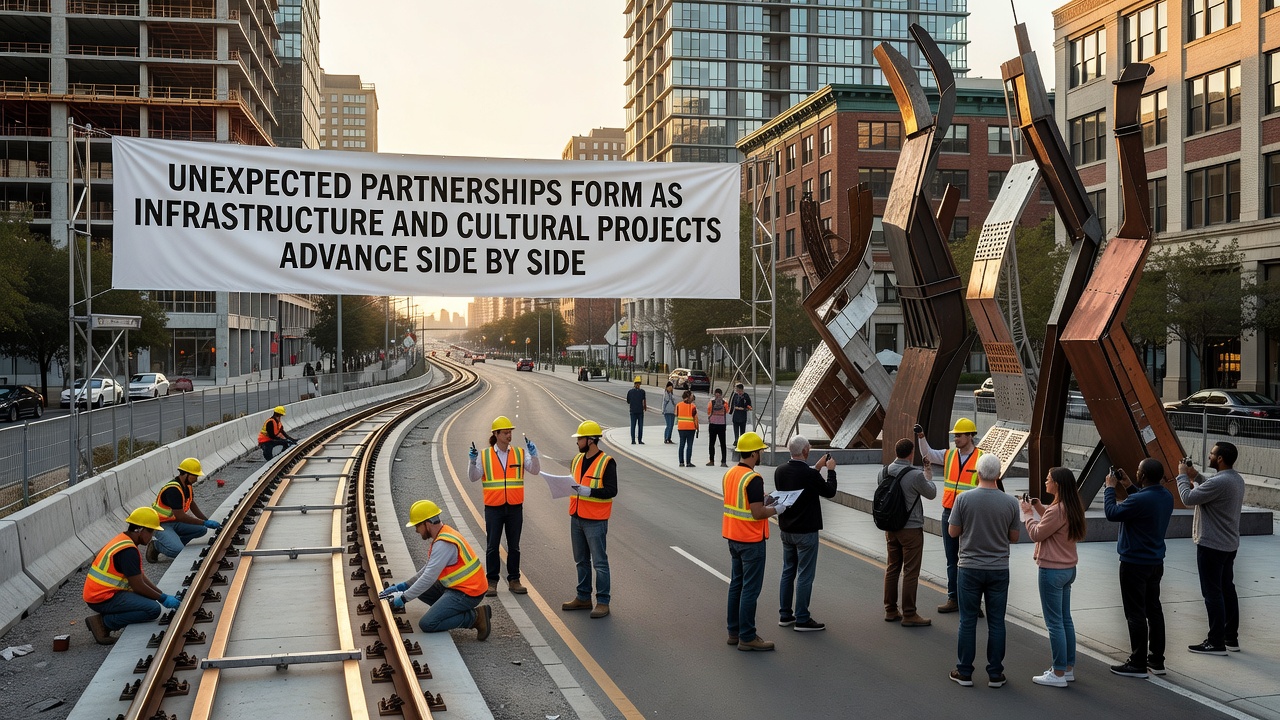
Engineers working on drainage improvements consulted with mural artists to embed drainage features that double as sculptural elements, which has preserved visual appeal while meeting technical specifications, according to design documents released by municipal engineering departments. Research indicates such integrations have appeared in at least five documented sites across the region by late 2026.
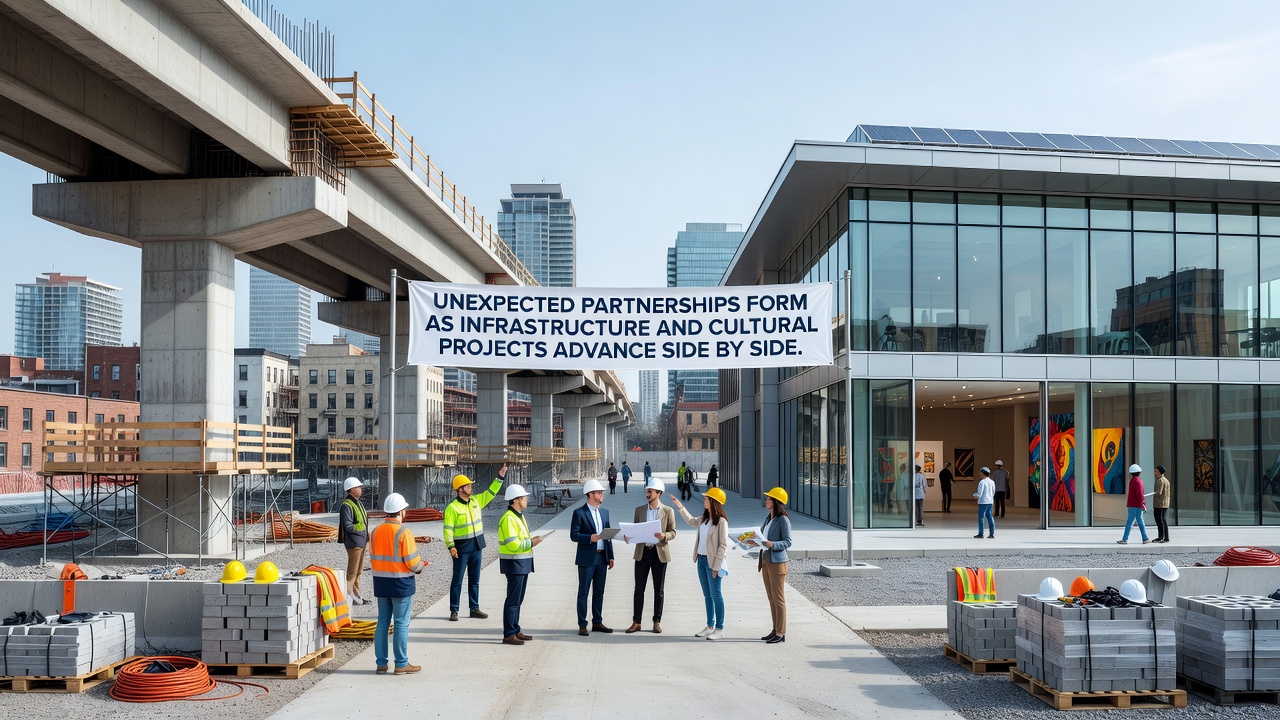
Transportation authorities in the European Union have reported parallel developments where rail line extensions coincided with public sculpture installations along station platforms, and data compiled by the European Commission shows that cross-sector agreements reduced overall project expenses through shared procurement of specialized materials. Those agreements also incorporated input from local historical societies to ensure cultural elements aligned with regional heritage guidelines.
Data Reveals Patterns in Resource Sharing
Figures from completed projects demonstrate that when infrastructure and cultural timelines align, participating organizations have shared labor pools for tasks such as site preparation and event setup, which has lowered individual operational costs, according to aggregated reports from planning agencies. One case study from a mid-sized Australian town documented a 15 percent reduction in equipment rental fees after a roadwork contractor loaned machinery to a nearby arts festival crew.
Academic analyses from university research centers have tracked these partnerships over multiple years and found consistent themes of improved public engagement metrics when both types of projects occur together, with attendance at cultural events rising during periods of visible infrastructure activity. The studies attribute this rise to increased foot traffic from construction crews and related visitors.
Conclusion
Records from ongoing initiatives confirm that infrastructure and cultural projects advancing side by side have generated measurable collaborations across sectors, with shared resources and coordinated planning appearing in multiple jurisdictions. Government data and independent evaluations continue to document these developments through the end of 2026 and beyond.